Effective Questioning
Topic outline
-

Welcome. In this micro course we will look at the role effective questioning has to play within our classrooms. Crafting and delivering purposeful, thought-provoking questions can transform passive learners into active thinkers, guide classroom discourse, and uncover insights into students' comprehension. Here, you will engage in interactive activities to help you foster an engaging and effective learning and teaching environment through effective questioning.
Effective questioning is a key strategy in creating engaging, thought-provoking, and inclusive learning environments. When used well, questions guide student thinking, encourage deeper understanding, and promote active participation. This professional learning session will focus on refining questioning techniques to maximise student engagement and critical thinking. We will explore different types of questions, timing strategies, and methods to foster meaningful discussions, ultimately empowering students to think independently and collaborate effectively. By honing our questioning skills, we can transform classroom interactions and enhance student learning outcomes.
-
-
1. This presentation gives an overview of the role of effective questioning within our classrooms (5 mins).
2. In this short clip, John Hattie discusses the role of Questioning as feedback and how student questioning can lead to deeper learning.
-
-
In this section we will have a more detailed look at the strategies and approaches that can be used to enhance questioning within our classrooms.
-
1. Strategies - Listen to this audio clip which outlines a few of the key strategies for effective questioning. More strategies are outlined in the resrouces which follow.
2. Watch the presentation on Strategies and Ideas for Effective Questioning in the Classroom
Use the arrow keys to move the presentation forward
3. Watch the video discussing the concept of hinge point questions
4. Here is table of some approaches, strategies and techniques suggested in this excerpt from the "Effective Questioning and Classroom Talk".
-
Carry out this micro learning activity within your setting to incoprorate hinge point questings into your lessons.
-
-
-
1. Listen to this short audio clip outlining some of the key research which is relevant to effective questioning within our classrooms.
2. Take a look at this resource aiding dialogic teaching driven by questioning : 5 Ways to Scaffold Classroom Dialogue

-
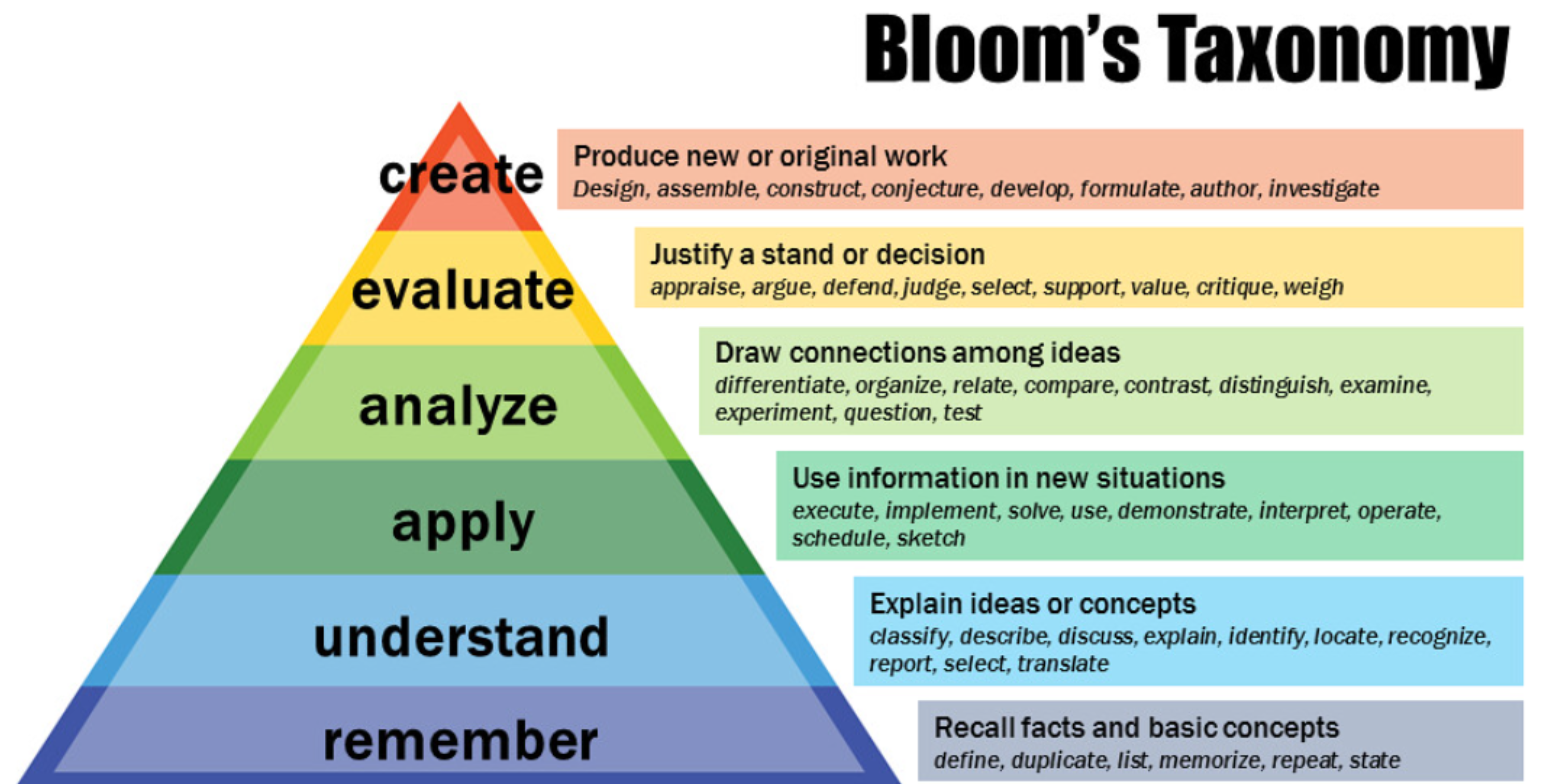
Carry out this micro learning activity within your setting which uses Bloom's Taxonomy to encourage deeper thinking.
-
Try this activity which is based on using dialogic questioning techniques to foster deeper engagement and understanding.
-
-
Links to the resources are also available from the FV&WL Interactive Learning, Teaching and Assessment Guide
-
1. Effective Questioning and Classroom Talk Document – Ged Gast Creativity Consultant
3. The SecEd Podcast: Great teacher questioning
4. Podcast Special: Dylan Wiliam on effective questioning in the classroom
7. John Hattie's Visible Learning
8. Alexander (2015) and Mercer and Hodgkinson (2008)
-
-
-
Opened: Wednesday, 4 September 2024, 12:41 PM
Knowledge check for Effective Questioning Micro Module
-
-
Here are some ideas for professional enquiry focused on effective questioning within the classroom. You may wish to choose 2 to focus on within your classroom.
-
1. Exploring Question Types and Cognitive Levels
Task: Review a lesson plan and classify the questions you intend to ask based on Bloom’s Taxonomy. Reflect on how the types of questions you plan to use align with the cognitive levels you want your students to achieve.
- Reflection Prompt: How do these questions promote different levels of thinking, and how might they stretch and challenge learners?
- Outcome: Refine the questioning structure in your lessons, ensuring it encourages critical thinking and knowledge application.
2. Utilising Wait Time for Deep Thinking
Task: Experiment with wait time after asking questions. Provide 3-5 seconds of silence to allow students to process the question and formulate thoughtful responses.
- Reflection Prompt: What changes did you notice in the quality of student responses after implementing wait time? How did this impact student engagement and depth of thinking?
- Outcome: Improve student participation and quality of answers by using wait time strategically in your questioning technique.
3. Encouraging Metacognition through Self-Questioning
Task: Design a series of self-questioning prompts for students to use before, during, and after a lesson (e.g., What do I already know? Is this strategy working?). Integrate these prompts into your classroom practice.
- Reflection Prompt: How did using self-questioning prompts impact students' ability to reflect on their own learning? Did students become more independent learners?
- Outcome: Foster metacognitive skills and encourage students to take greater ownership of their learning process.
4. Reflecting on Questioning Techniques
Task: Record and review a classroom session where you focus on using effective questioning techniques. After the lesson, analyse how your questions impacted student engagement and understanding.
- Reflection Prompt: What types of questions elicited the most thoughtful responses? Were there any questions that revealed misconceptions or learning gaps? How could you refine your questioning strategy in future lessons?
- Outcome: Develop a more reflective practice around your questioning techniques, leading to improvements in both formative assessment and student understanding.
- Reflection Prompt: How do these questions promote different levels of thinking, and how might they stretch and challenge learners?
-
You may wish to consider the following for Professional Enquiries:
1. Promoting Dialogic Teaching
Task: Plan a lesson where dialogic teaching is central, using effective questioning to promote student discussion, reasoning, and collaborative thinking. Encourage students to ask and answer each other’s questions.
2. Assessing Learning with Socratic Questioning
Task: Implement a Socratic questioning approach in a lesson by asking a series of probing questions aimed at encouraging deep reflection. Rather than giving answers, guide students to explore their assumptions and evaluate different perspectives.
3. Evaluating Student-Led Questioning
Task: Create opportunities in your lesson for students to ask their own questions. Encourage a culture of inquiry by providing time for students to formulate and ask questions during the lesson.
-